It’s like you have brought the earth and water with you from your place to us in Taranaki… Maata Wharehoka 2022
Sometimes I find myself astounded by the journey that my creative research has taken over the past 30+ years. It certainly was not how I imagined my place in the world when I saw myself in the future as a 60year old. Or was it?
What unfolded has been very much a path less travelled in many ways. Often I reflect that with such an experimental, process and conceptually driven practice, my work has not always been well received as aesthetics has always played a secondary role in my work. When people ask me about my work, I often defer to my videos, as they are the most tangible works, often bringing together the threads of related projects.
In the late 1980s I was trained in the analogue disciplines of darkroom photography and printmaking. By the end of my TAFE diploma I was creating collages by rendering photography and mark making onto photosensitive etching plates. It was a time where my practice was heavily influenced by the techniques I was learning in the studio – with the significant exception of video. The college had a very heavy VCR camera that you could borrow, but you had to teach yourself how to use it. My first piece of video art was very wonky and edited “in camera” – I needed to learn more!
In the degree years that followed I increasingly focused on mixed media and painting, mainly because there was little in the way of video – which was what I wanted to learn more about. Ultimately, it was my abiding love of the collaged photograph which guided my entry into the world of digital media.
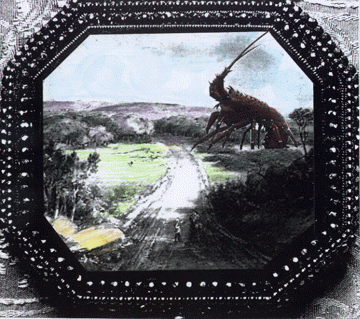
When I reflect to the 1990s, it was such a great time of experimentation and community – sharing information with other artists and designers to learn to use tools like PaintShop Pro and other free software as entry points into digital design. In 1995 I learnt to make websites at the Prentice Centre at University of Qld and from that point forward, the ‘digital’ has been a fundamental aspect of my work, especially exploring different kinds of emerging telecommunications tools as part of my creative research. Teaching and building digital tools ended up my main source of income for nearly as long. Now on reflection, I realise this was remarkable considering how for a long time I struggled with seeing how my employment aligned with my creative research. It was those avenues which also opened up possibilities to work with and for First Nations organisations, something I cherish. Now I realise it is all so connected ❤
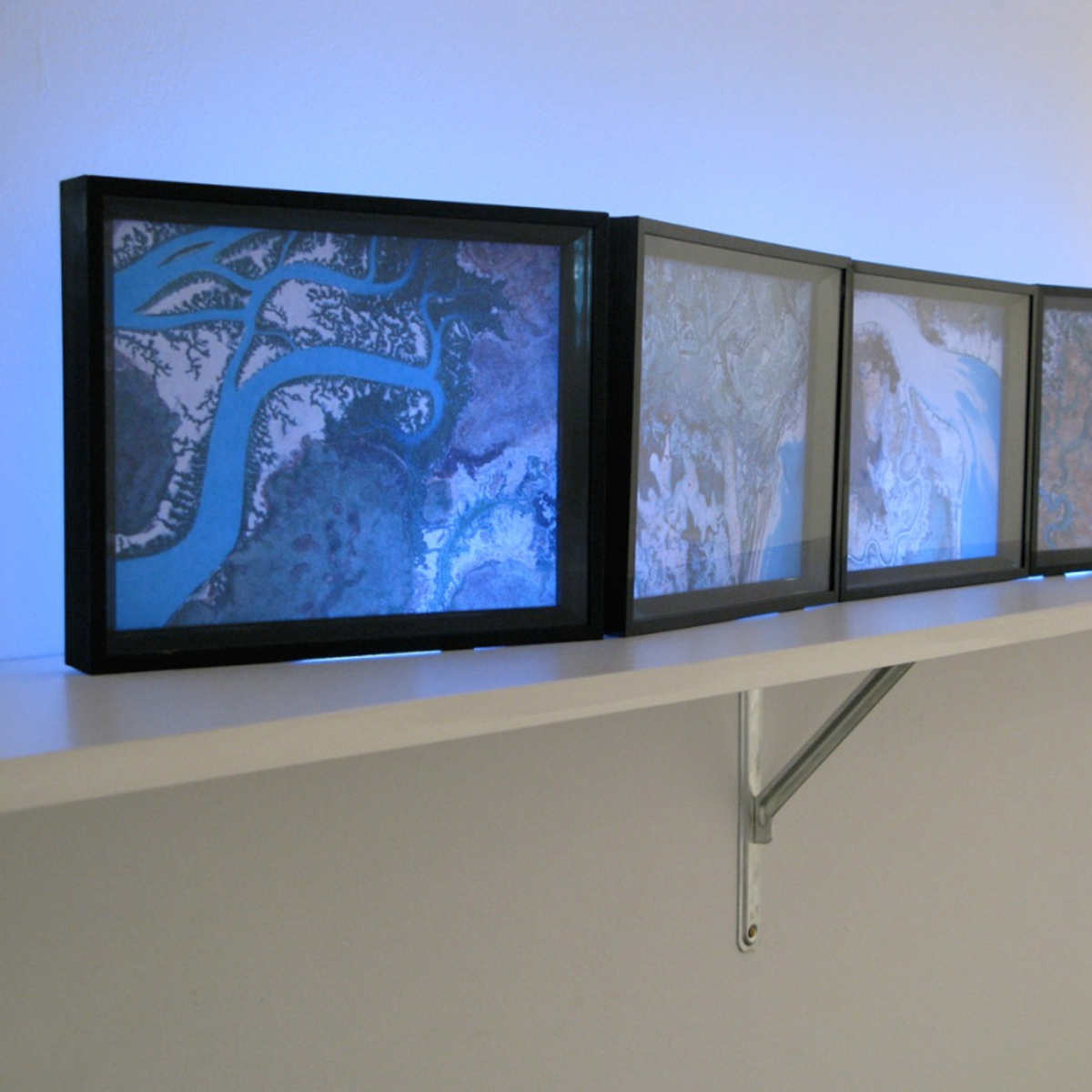
To continue this journey through media, about 17 years ago in 2008, lighting started to be a feature of some of my installation work, using solar panels to generate the energy needed to run the installation. I am still interested in creating illuminated installations using solar or battery run energy and have collaborated on a number of illuminated installations in nature.
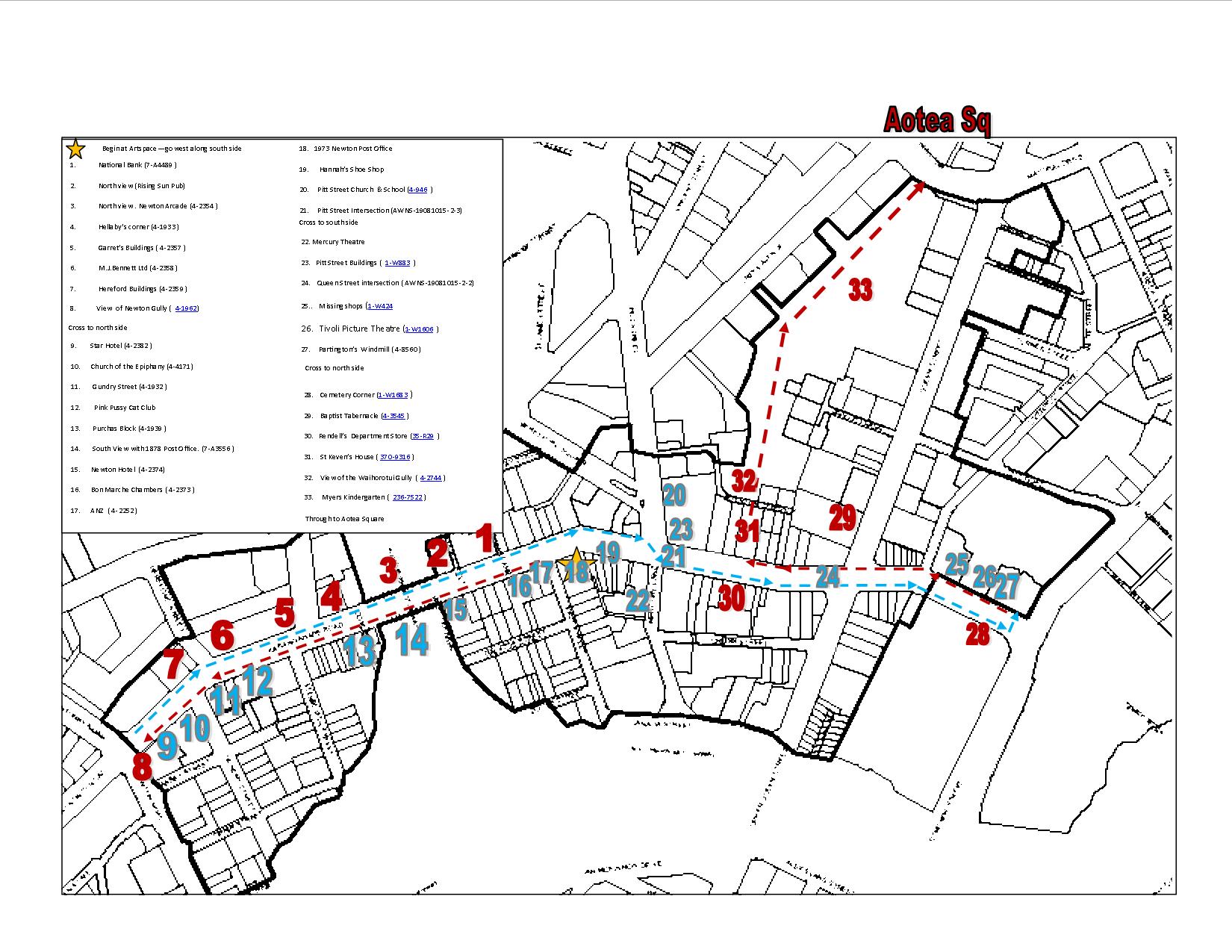
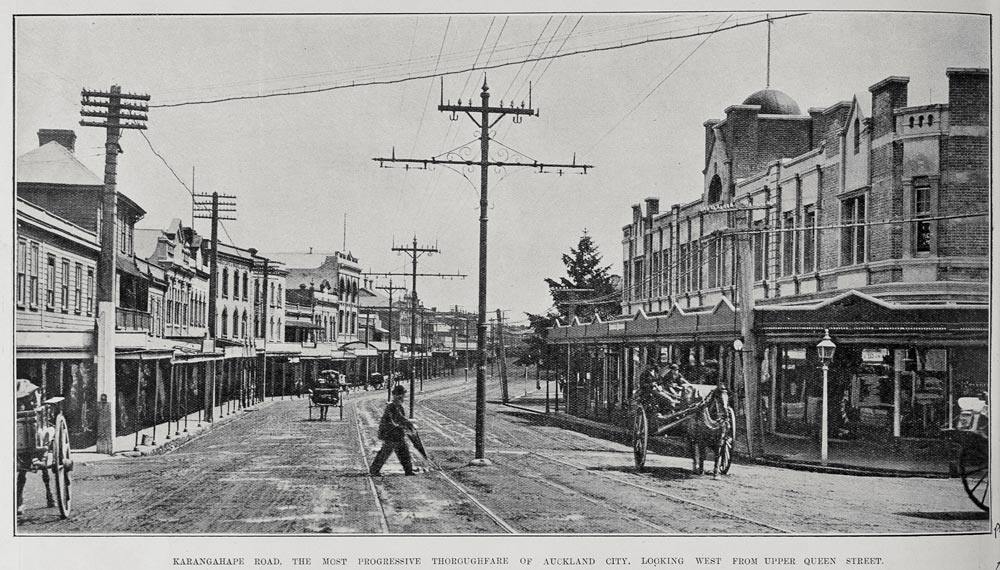
In 2013, my work started to strongly reengage themes of embodiment through the development of a series of guiding walks using Augmented Reality. These works engaged the walker in identifying current landmarks with their smart device, and then revealing the previous building that existed on the site. At the same time, I was also building a layered story of place, through the documentation of a series of walks in Finding Balance: Mura Gadi in 2013.




In 2015, my interest in walking as process then expanded to consider the use of plant debris to make dyes and objects. This then resulted in some experiments using soft 3d sculptural forms which had been eco dyed, then enlivened by the use of data driven sequencing of LED lights. My first works were a response to being on the coast and plants gathered from the south coast were used to create shell-like forms which were lit by tidal data streamed from the light sequence.


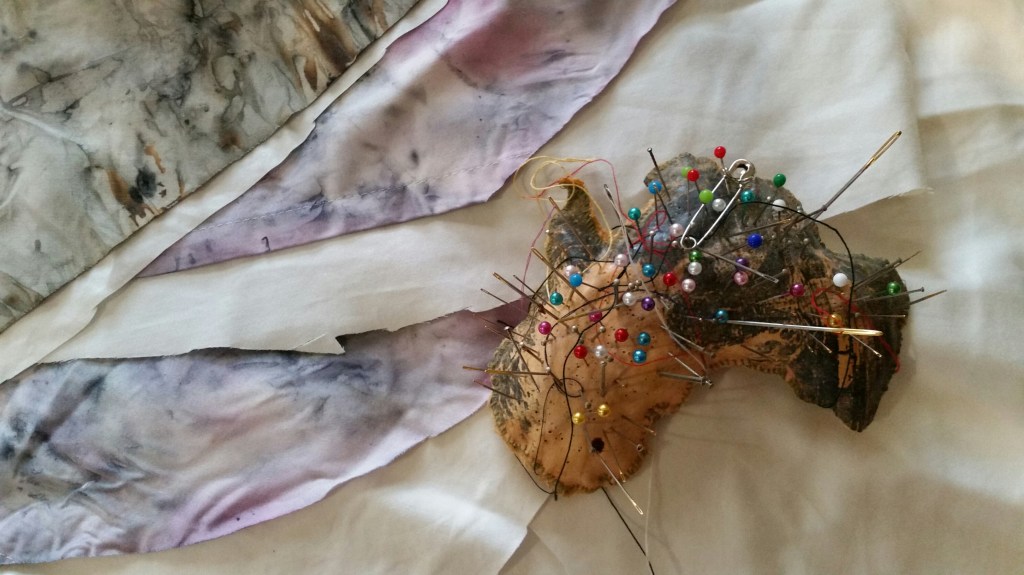

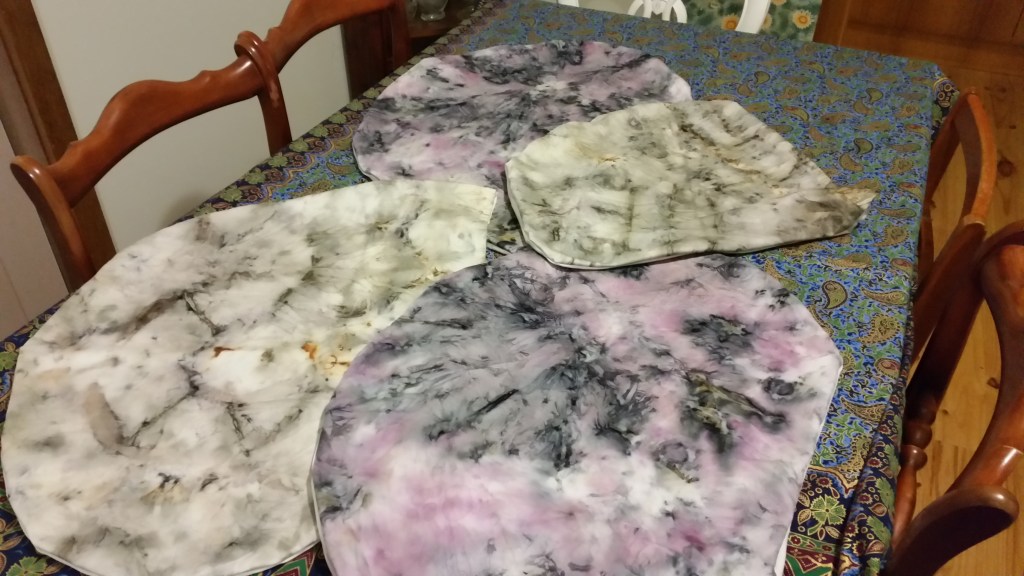

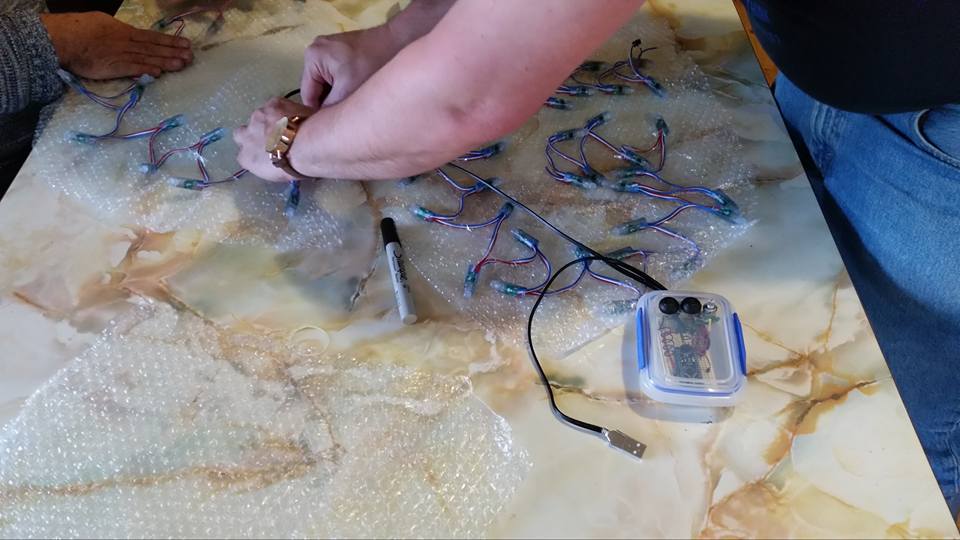

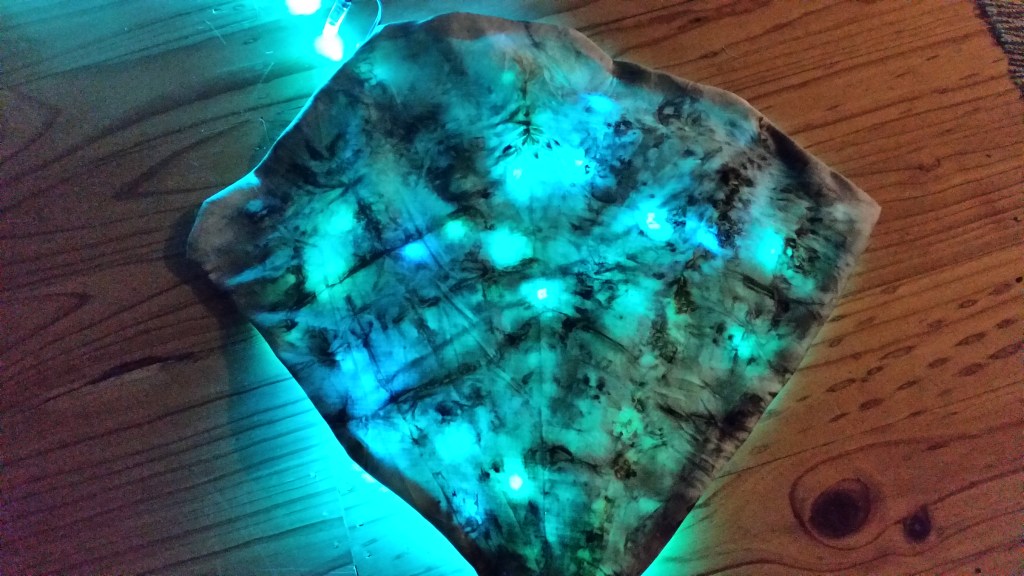

This work was a collaboration with Martin Drury and Paul James helping me with the programming of the microcontrollers.
In 2022, after many years of collaboration and friendship, we took some fabric to Maata Wharehoka in Parihaka in Taranaki. The material had been dyed from being soaked in floodwater and then steamed in bundles with local plants. Over our time at Parihaka, we worked with Maata to incorporate the fabric into the kete Maata and I had made in 2019 as part of our The Silence: Puanga collaboration.


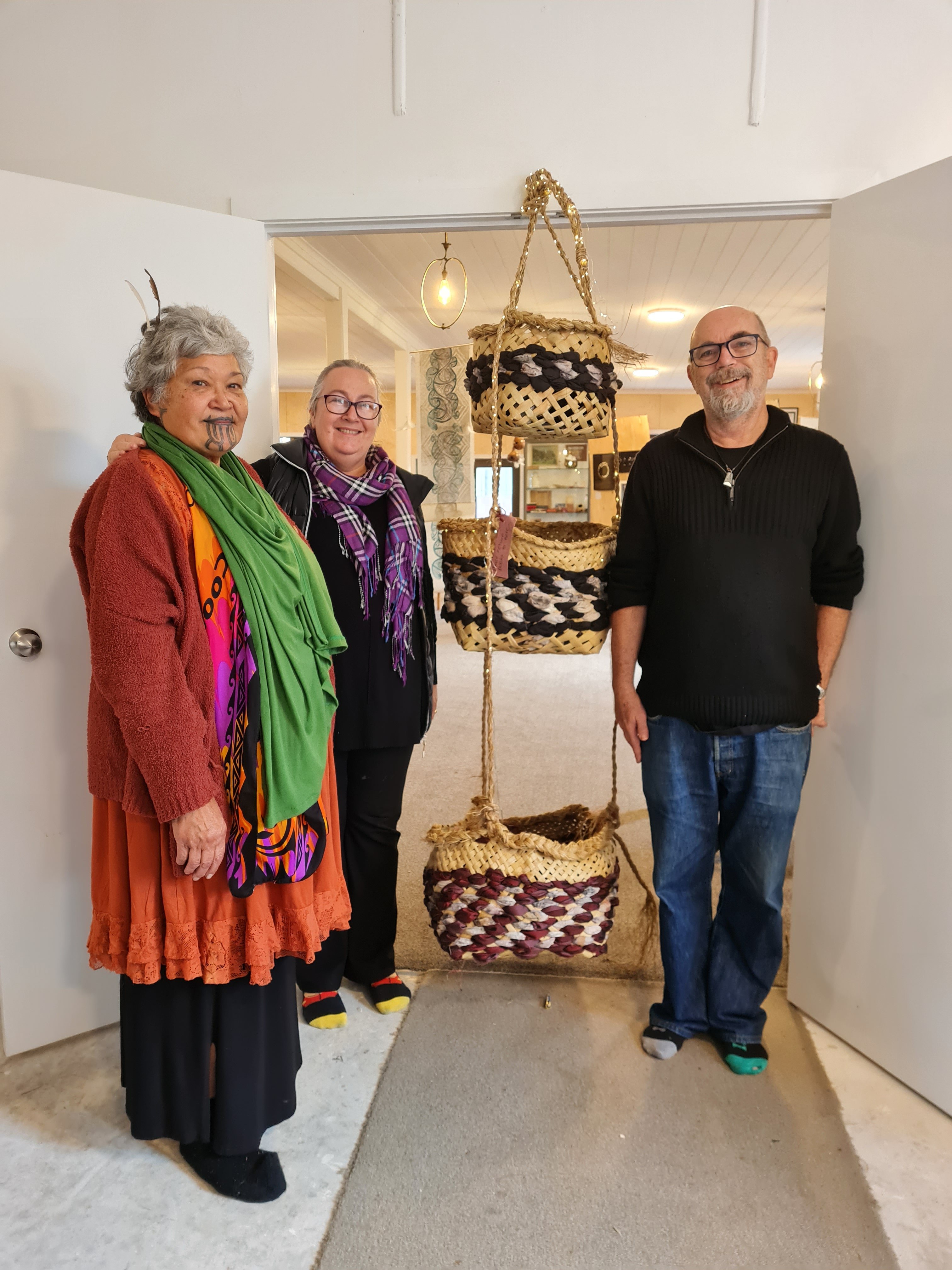


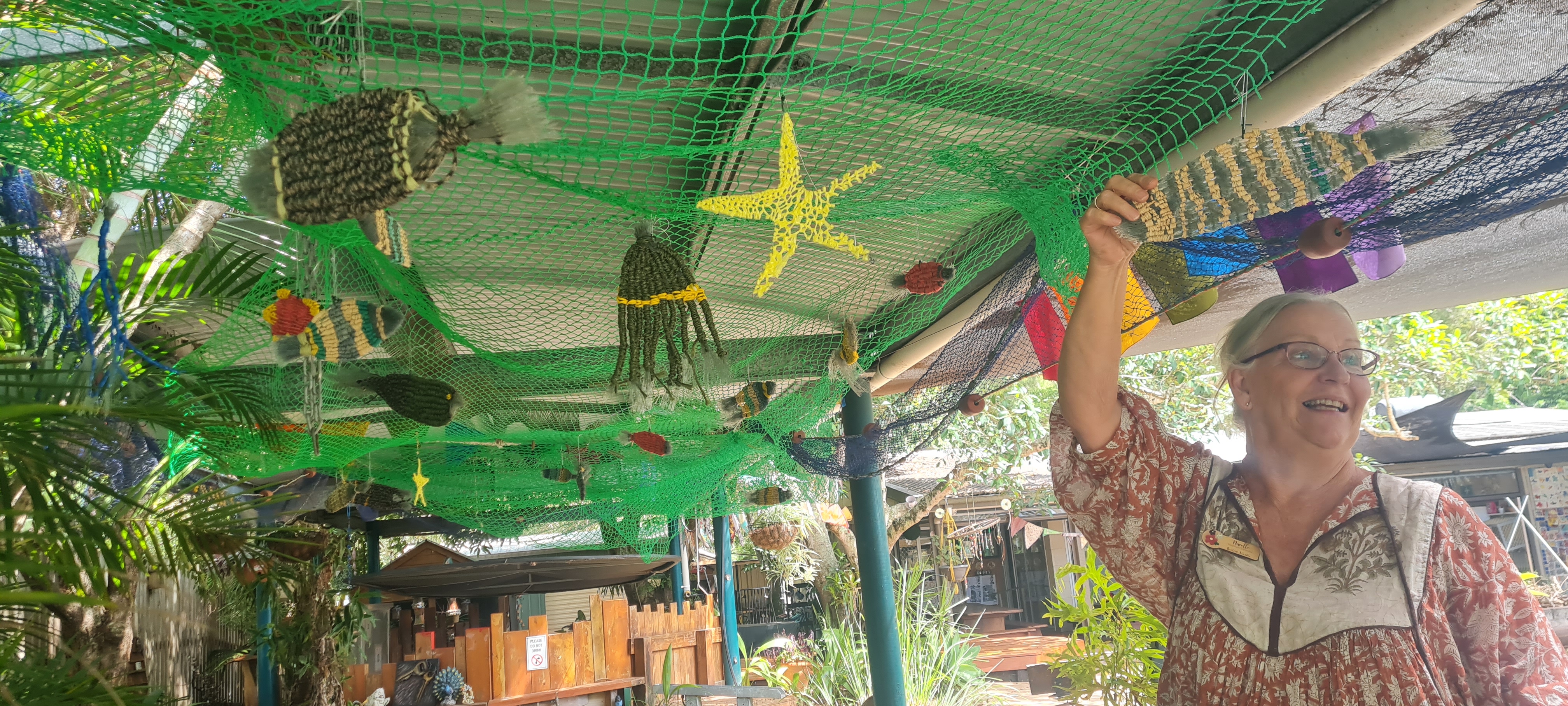
Now in 2025, as an artist embedded in local community I have the joy of wonderful side quests with other artists in our community.
 Tracey M Benson || Bytetime