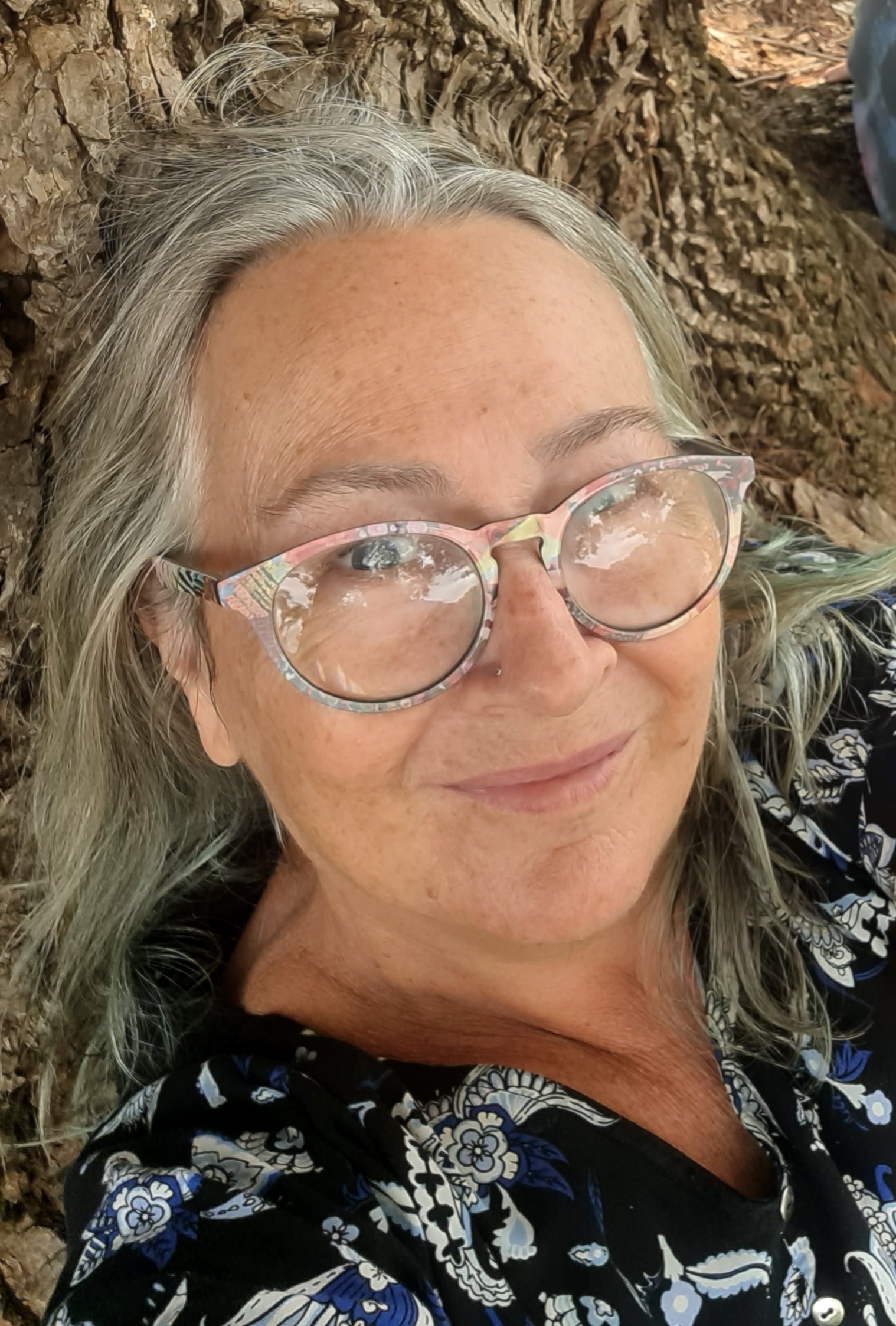
Weaving knowledge, creativity, and sustainability for a connected future.
TRACEY M. BENSON
PhD | MSci | MA | Shinpiden
(Usai Reiki Ryoho)
Originally trained in the fine arts disciplines of photography and printmaking, Tracey works at the nexus of media arts, digital transformation, ecological systems and citizen empowerment through connecting to place and identity. With a passion for understanding different knowledge systems and engaging and activating audiences, she often collaborates with Indigenous communities and Elders, knowledge keepers, technologists and scientists. Belonging, place, wellbeing and identity are ongoing themes in her socially engaged practice.
In the mid 1990s Tracey took on the tag of bytetime for her emerging digital artist practice and continues to work under this moniker. Her creative work has been extensively presented internationally in media arts festivals and exhibitions including ISEA, Balance UnBalance, Transmediale and touring exhibitions. Tracey has also been commissioned to produce numerous public artworks including murals, installations and participatory experiences for audiences.
As a researcher she has an extensive background including a PhD in Media Arts and Technology from the Australian National University, a research Masters in Applied Science looking at energy vulnerability and barriers to change (University of Canberra) and a research MA focusing on souvenirs and personal collections (Queensland University of Technology).
In late 2025, Tracey was awarded a full scholarship for 2nd PhD which explores lifecycle design for futuring climate resilient homes at University of Queensland. Her research on issues related to belonging, place, wellbeing and pro-environmental behaviour change underpin her ethos and focus as a transdisciplinary practitioner. This research supports the work of Treecreate Studio Inc. a non-profit charity founded by Tracey in 2019.
Facilitator | Mentor | Guide
Some of the ways Tracey works:
🌱 Interdisciplinary insight – weaving together ecology, digital media, and cultural impacts on place
🌏 Regenerative thinking – focusing on sustainable futures and place-based connections
🎨 Creative leadership – fostering collaboration through community, art, storytelling, and technology
💡 Impact-driven engagement – supporting local regional communities and global knowledge exchange
LATEST NEWS
Creative research
Update from Treecreate Studio
This year brings a lot to celebrate with Treecreate Studio officially becoming a charity. It would not have happened without a lot of support…

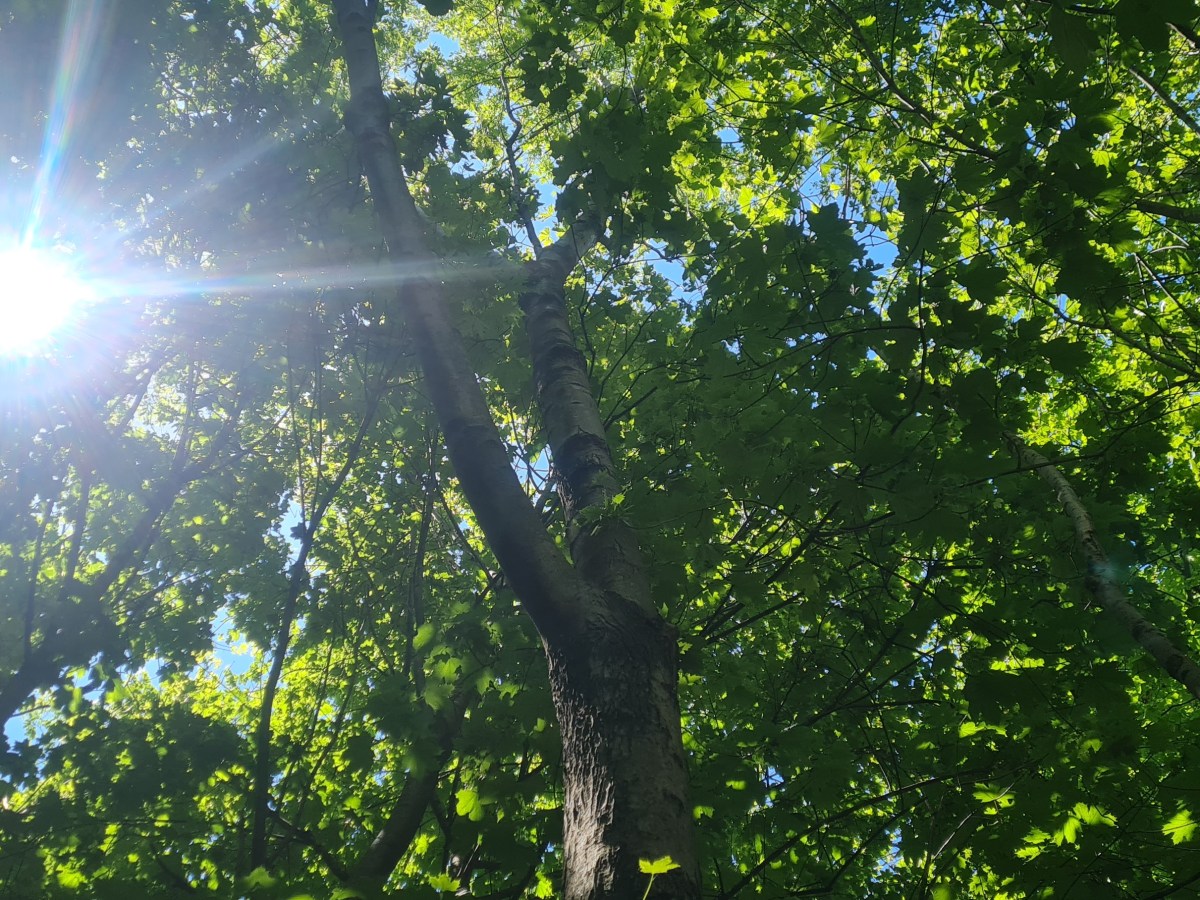
Layers of kin – exploring plant communication in Toronto
This week I am in Toronto, exploring this fascinating city while also being able to see on of my TransArts Institute PhD researchers major…
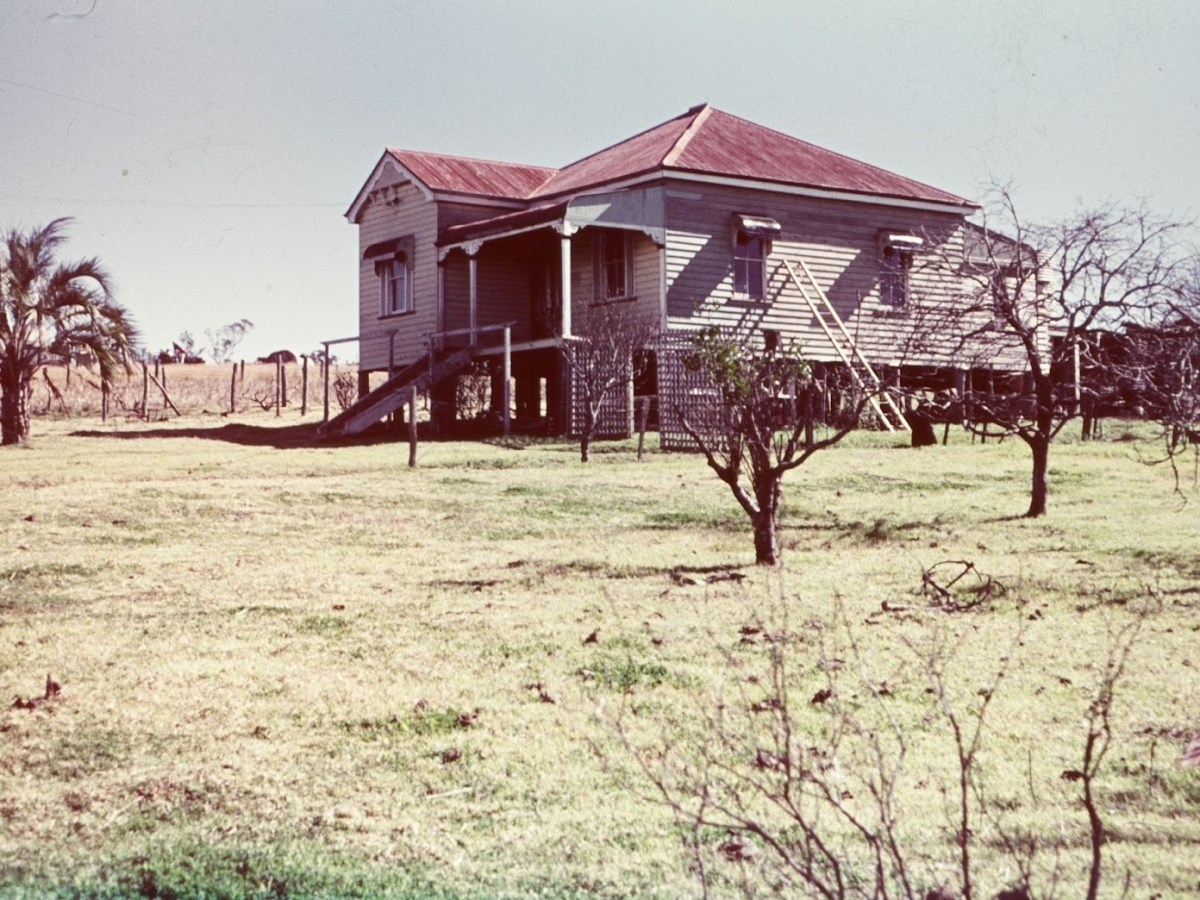
The anatomy of a Queenslander – a story of connections
The author reflects on the Queenslander house as a cultural and ecological symbol, connecting personal history with broader themes of urban development and environmental…
Something went wrong. Please refresh the page and/or try again.
Curatorial community
Weaving Water @ Yarun 2025
Latest blog post from Treecreate Studio – summary of Weaving Water @ Yarun 2025

Drammen AiR Update #7
This week was filled with connection, learning, and exploration. Highlights included visits to historic sites in Norway, engaging conversations about plants and dyes, and a Viking ship launch event that showcased community spirit. The author cherished moments with friends and appreciated the blend of culture, history, and art.

Drammen AiR Update #6
This week was filled with connection, learning, and exploration. Highlights included visits to historic sites in Norway, engaging conversations about plants and dyes, and a Viking ship launch event that showcased community spirit. The author cherished moments with friends and appreciated the blend of culture, history, and art.
Something went wrong. Please refresh the page and/or try again.
Writing
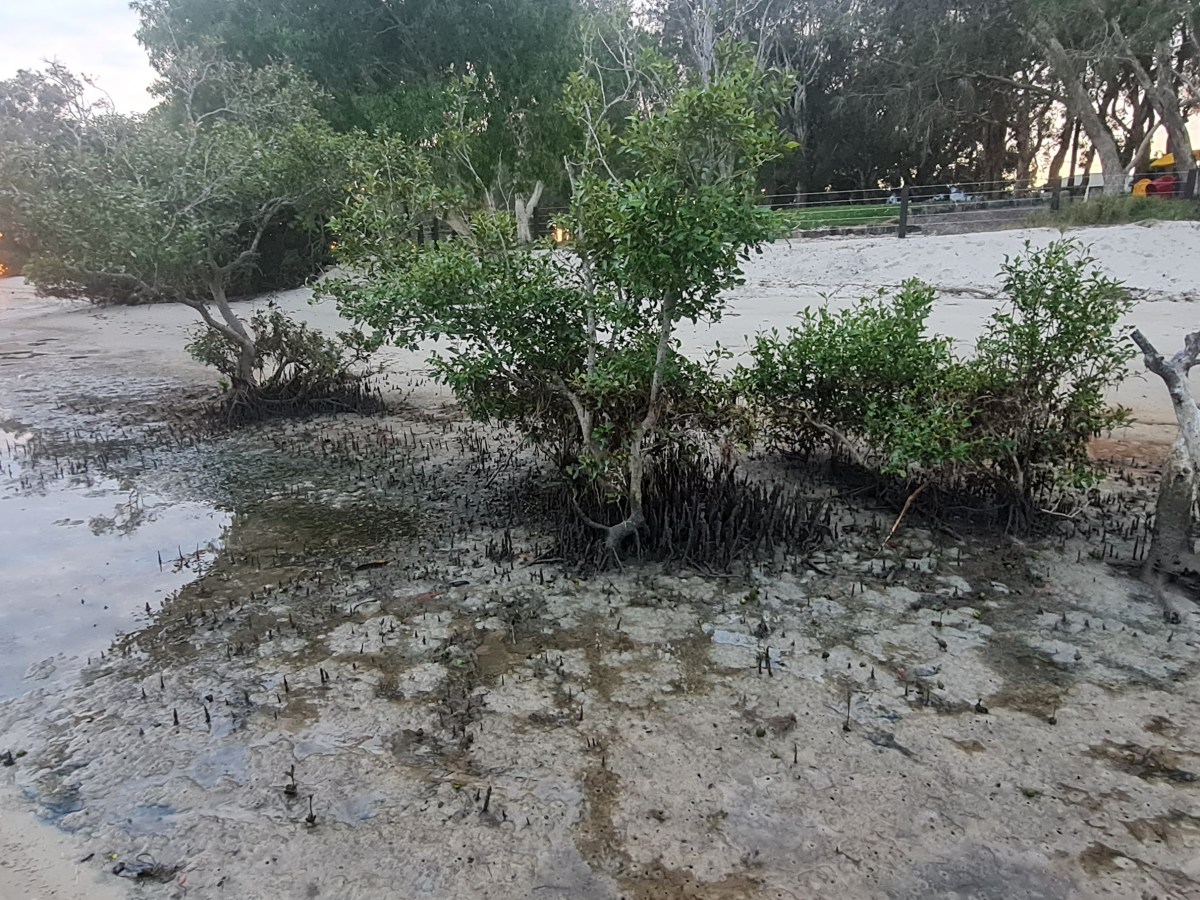
Mangrove Kin #1 | Pir’ri: your roots are my oxygen
Mangrove Kin is an experimental art project exploring mangrove ecosystems through 3D scans, video, and poetry, emphasising creative collaboration with nature and ecological significance.

Exploring eco dyes and plant process
The author’s 30+ year creative journey reflects a unique, experimental path in art, blending traditional and digital media, particularly video. Engaging with community, nature, and technology, their work evolves, incorporating innovative methods and collaborations with First Nations organisations and local artists.

Stopping the flow
The author reflects on insights from Maata Wharehoka about the importance of “stopping the flow,” particularly in relation to death and cultural practices. They explore personal experiences with Māori culture, the impacts of colonisation, and the significance of connection to place.
Something went wrong. Please refresh the page and/or try again.

